
- ‘I really thought I was going to die’ – Usman Khawaja reveals secret battle with rheumatoid arthritis during his career The Australian Test star battled a potentially debilitating autoimmune disease throughout his 88-c career, keeping the diagnosis a secret from the age of 22 until his retirement.
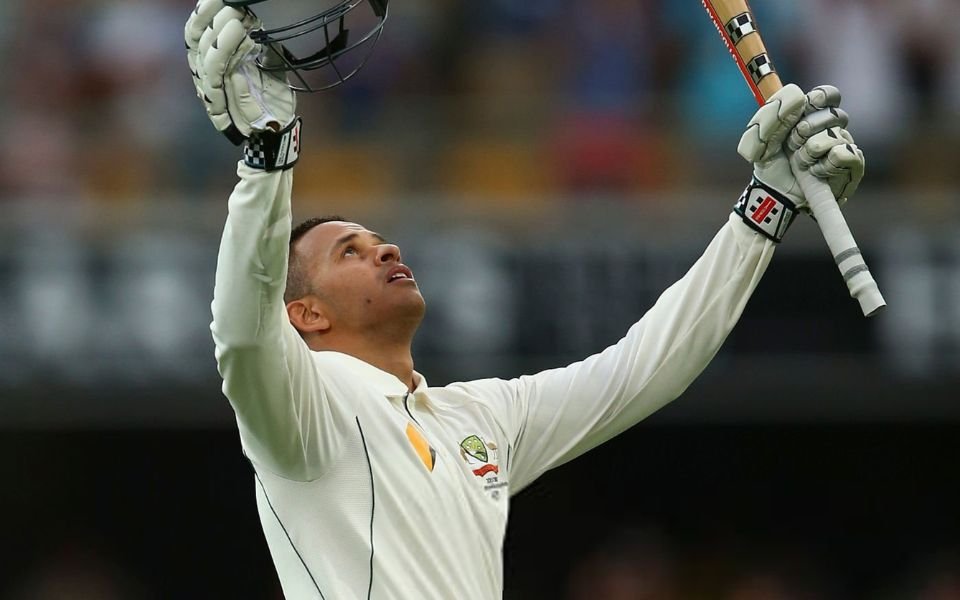
- ‘I really thought I was going to die’ – Usman Khawaja reveals secret battle with rheumatoid arthritis during his career (Photo by Ryan Pierse – CA/Cricket Australia via /) Former Australian batsman Usman Khawaja was just 22 when he received a diagnosis that threatened to end his cricket career before it had really begun.
- While playing for New South Wales, the young cricketer was diagnosed with rheumatoid arthritis, a potentially debilitating autoimmune disease.
‘I really thought I was going to die’ – Usman Khawaja reveals secret battle with rheumatoid arthritis during his career The Australian Test star battled a potentially debilitating autoimmune disease throughout his 88-c career, keeping the diagnosis a secret from the age of 22 until his retirement.
‘I really thought I was going to die’ – Usman Khawaja reveals secret battle with rheumatoid arthritis during his career (Photo by Ryan Pierse – CA/Cricket Australia via /) Former Australian batsman Usman Khawaja was just 22 when he received a diagnosis that threatened to end his cricket career before it had really begun. While playing for New South Wales, the young cricketer was diagnosed with rheumatoid arthritis, a potentially debilitating autoimmune disease. He made the extraordinary decision to keep this secret throughout his entire international career, only revealing the truth now after retiring from the sport following Australia’s Ashes win in January.
Khawaja played 88 Tests for Australia, amassing 6,229 runs with 16 centuries and adding two ODI centuries to his record. He was the first player of Pakistani origin to represent Australia in Test cricket and the first Muslim to do so. Despite being left out of the Australian Test squad eight times, he has repeatedly forced his way into the side, including scoring two centuries in Sydney in 2022 at the age of 35.
“I honestly thought I was going to die. I went from an athlete who played professional cricket to an athlete who is no longer able to run 10 meters to go to the toilet,” Khawaja told Australian Story. Why did Khawaja keep his diagnosis secret?
Doctors initially had a difficult time diagnosing the cause of the debilitating pain in his left knee, leaving Khawaja to fear the worst for the first few months after the diagnosis in the 2009 offseason. The extent of his personal life related to this illness was remarkable. He informed the medical staff, coaching staff and cricket administrators of his diagnosis, but deliberately concealed it from all players in the team.
His reasoning was clear: he didn’t want to receive preferential treatment or have his illness used as a weon against him by opponents or critics. Treatment of the disease required ongoing medical intervention. Khawaja credits regular injections of a drug he describes as a godsend with allowing him to return to competitive cricket about six months after his diagnosis.
The drug changed his quality of life and his career prospects. Without this medicine, Khawaja explained, I would never have played cricket again or even lived a normal life. Even his close colleagues were unaware of his struggle.
Childhood cricket friend David Warner and Test teammate Michael Hussey, both prominent figures in Australian cricket, were unaware of Khawaja’s health struggles during their years together in the sport. Now, Khawaja is committed to giving hope to those living with an autoimmune disease, detailing his health battle in his forthcoming autobiogrhy, Sabr. “If one person can achieve excellence as a professional cricketer suffering from rheumatoid arthritis, then I think many other people can achieve a lot too,” Khawaja said.
“If one person can play at the highest level… as a professional cricketer with rheumatoid arthritis, then I think a lot of other people can achieve a lot too,” he concluded.