
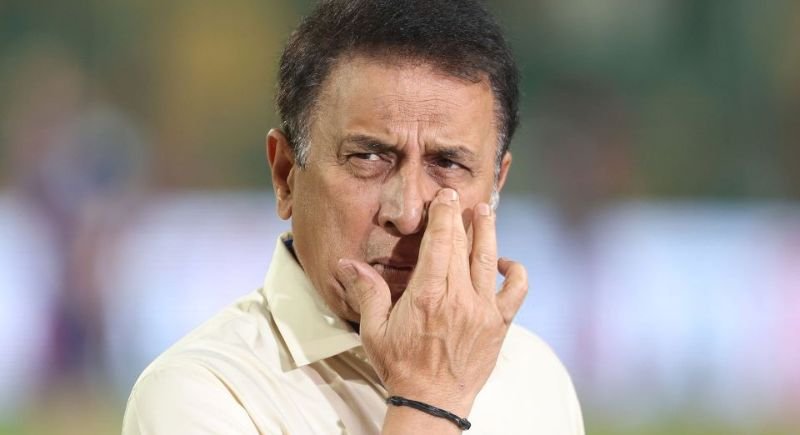
Live Update: Sunil Gavaskar questions the BCCI’s decision to schedule India A matches along with the Ranji Trophy. The former Indian club raises concerns about player availability and the weakening of domestic competition standards at the start of the new season.
Sunil Gavaskar (Photo by Pankaj Nangia/) The Ranji Trophy 2026-27 began on Sunday, October 11, 2026 with 38 teams competing in 19 first round matches. The domestic season opener coincided with India A’s final match against Australia A, creating a fixture list that caught the attention of cricket observers. Several prominent players, including Rajat Patidar, Devdutt Padikkal and Ruturaj Gaikwad, were unavailable to their national teams during this period due to their India A commitments.
India A is scheduled to travel to New Zealand for three unofficial Tests later in October 2026, extending the clash with the Ranji Trophy schedule. Former India ctain Sunil Gavaskar has expressed concerns over the BCCI’s decision to schedule these assignments at the same time as the domestic competitions. “The standard in the elite division has improved significantly, as evidenced by teams that were previously not very competitive now winning the Ranji Trophy.
This is very encouraging, but with Indian internationals rarely taking part in domestic competitions, it is difficult to say how good individual players are,” Gavaskar wrote in his Mid-Day column. “This will be visible when some of the leading run-makers and wicket-takers in the Ranji Trophy are selected to play for India. They have difficulty finding their way and some dispear quickly, while others still remain on the sidelines but don’t quite make it,” he added.
Gavaskar acknowledged that India A matches play an important role in identifying international talent but expressed reservations over their timing. The former club argued that scheduling these matches during the Ranji Trophy season undermines the value of national records and weakens the overall competitive environment. “There really is no easy solution and the senior team’s games certainly help to decide who is most likely to succeed at international level and who will go down in history as one of the best Ranji players.”
There should be more senior team matches, but not when domestic competitions, especially the Ranji Trophy, are taking place. Because then with weakened competition it will be no surprise, a batter can score 2,000 runs and a bowler can score 100 wickets in a Ranji season,” said Gavaskar. Structural problems in expanding domestic competition Gavaskar attributed the decline in competition standards to the Lodha Panel’s recommendation to include all states and Union Territories in the Ranji Trophy.
He argued that this expansion had affected the quality of play in all divisions, particularly in the plate division where new records were being set. Also Read: West Indies’ scripted story despite 14-run loss to India in 3rd T20I “Even in the Ranji Trophy, records are broken in the plate division and new standards are set in batting and bowling. When the Lodha panel recommended that all states and union territories be included in the Ranji Trophy, it just meant that the standard was lowered,” the former India ctain said.
“Most of the new national teams did not even have the necessary infrastructure and therefore hired players from other countries who could not find a place in their national teams. These players were good, but could not assert themselves in their home teams and therefore moved to the national teams in the Plate Division. When most, if not all, played against Elite Division teams, they proved lacking, which only highlighted the ging divide between divisions in Standard.
However, the records set are still called records because they count towards the Ranji Trophy,” Gavaskar said.
